Understanding the Risk
How Retirement Can Affect Substance Use
Retirement is often viewed as a positive milestone, but it also brings significant life changes that can create vulnerability to substance use.
Loss of daily structure, reduced social interaction, changes in identity, and increased free time can all contribute to patterns of alcohol or prescription drug misuse.
Risk Factors
Why Retirees Are at Higher Risk
Loss of routine
Without daily work structure, unstructured time can lead to increased drinking.
Identity shift
Retirement can trigger an identity crisis that individuals cope with through alcohol.
Social isolation
Fewer daily interactions and loss of work community can deepen loneliness.
Health changes
Chronic pain, medication interactions, and health challenges may contribute.
"After I retired, I didn't know what to do with myself. Drinking filled the time. My coach helped me build a new routine."
— Robert K., Member
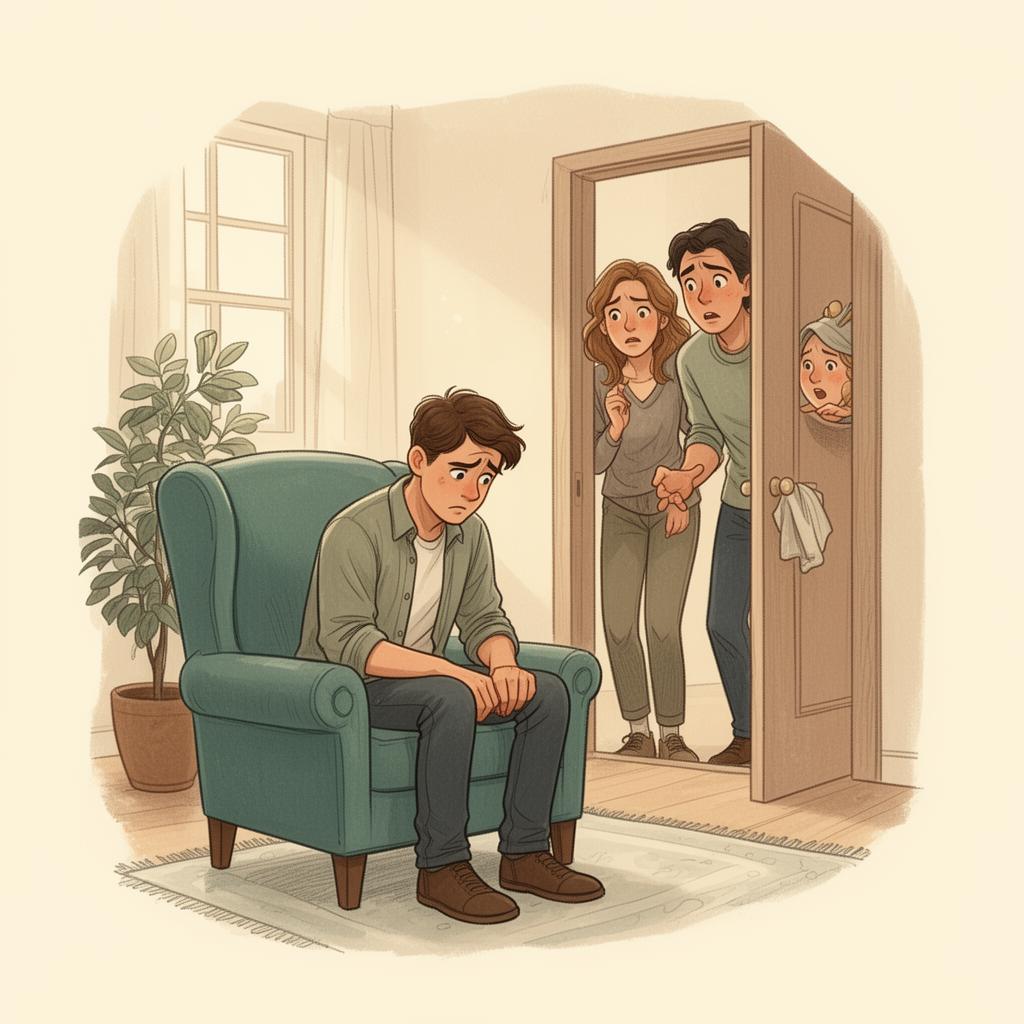
There Is Help
Recovery Support for Retirees
Recovery support programs designed for older adults understand the unique challenges that come with this stage of life.
You Are Accountable provides peer recovery coaching, remote alcohol and drug monitoring, and virtual support that helps retirees build new routines centered around sobriety and accountability.
The program operates remotely, making it accessible from home — and is covered by Medicare for less than $50 per month for most patients.