Signs Your Parent May Have a Drinking Problem
Understanding alcohol misuse in older adults — and how families can recognize when it's time to act.
Understanding the Problem
Alcohol misuse in seniors is more common than most people realize
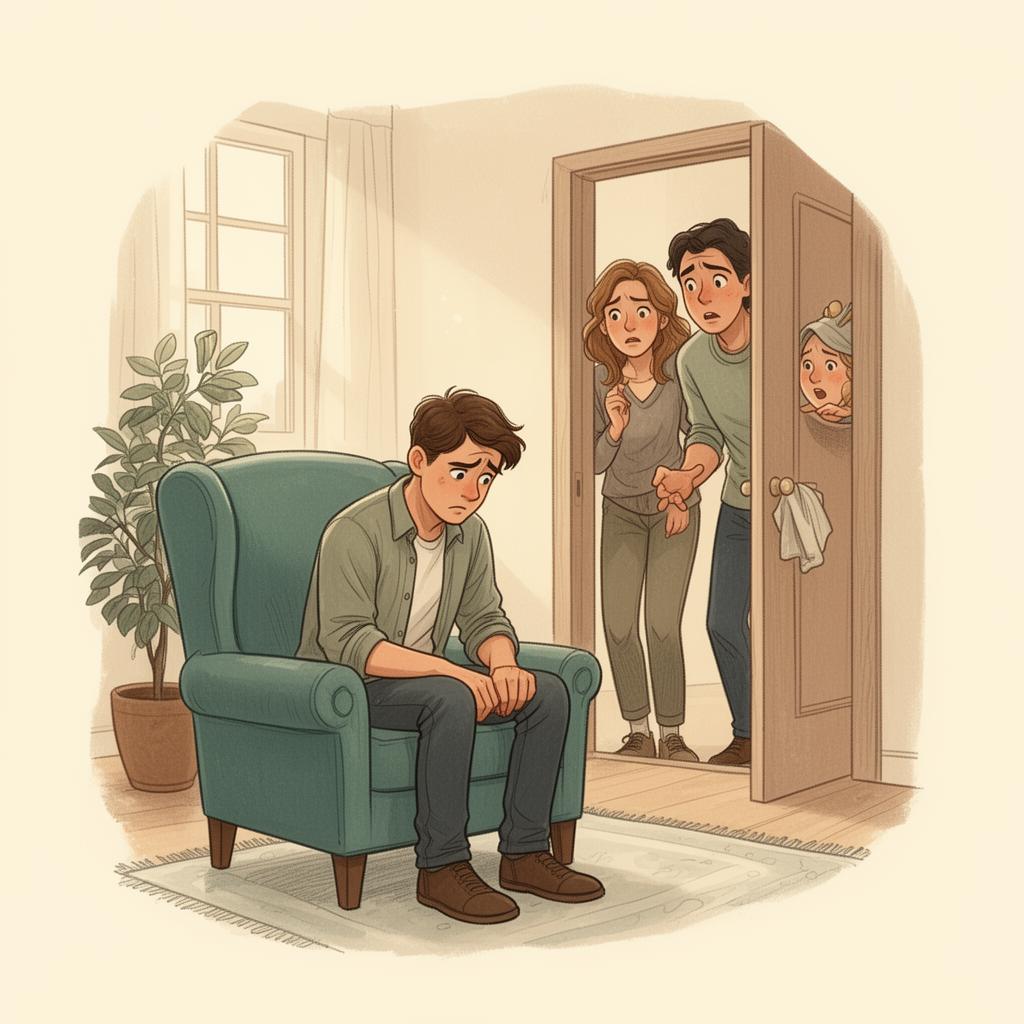
Many adult children start noticing changes gradually. A parent who once drank occasionally may begin drinking more frequently — using alcohol to cope with retirement, loss, chronic pain, or loneliness.
Because the signs often overlap with normal aging, alcohol misuse in older adults is frequently overlooked — by families, by friends, even by doctors.
5.7M
Adults 65+ struggle with alcohol use in the US
1 in 6
Seniors binge drink regularly
65%
Of cases go undiagnosed in older adults
Behavioral Signs
Changes in habits and routines

Emotional & Mood Changes
Shifts you might notice in how they feel
Alcohol can worsen feelings of loneliness, depression, and anxiety — especially during major life transitions like retirement or the loss of a spouse.
- Increased irritability, mood swings, or emotional outbursts
- Deepening sadness, depression, or apathy
- Loss of interest in things they used to enjoy
- Becoming more isolated or avoiding family gatherings
- Stronger emotional reactions to everyday situations
Physical & Daily Life
Changes in health and daily functioning
These signs may not always indicate alcohol misuse on their own — but combined with other changes, they can be important signals.
Frequent falls or unsteady balance
Alcohol affects coordination, especially in older adults taking medications.
Unexplained bruises or injuries
Falls or accidents that weren't witnessed can be a warning sign.
Sleep disturbances
Alcohol disrupts sleep patterns, leading to insomnia or excessive drowsiness.
Changes in appetite or weight
Drinking can replace meals or cause significant weight changes.
Forgetting appointments
Difficulty managing schedules and daily responsibilities.
Medication interactions
Alcohol can dangerously interact with common medications for older adults.
"I kept telling myself it was just a glass of wine with dinner. But it wasn't one glass anymore, and dinner kept getting earlier."
— Michelle K., Daughter
Why It's Difficult
Why families hesitate to say something
It's socially normalized
Alcohol is part of daily life for many seniors. A drink with dinner doesn't seem alarming — until the pattern changes.
They minimize it
Parents may reassure you everything is fine, or compare their drinking to others who 'drink much more.'
You worry about the relationship
Many adult children avoid the topic because they fear damaging the relationship or seeming disrespectful.
The signs look like aging
Confusion, forgetfulness, and balance issues can be attributed to aging rather than alcohol, making it easy to miss.

Starting the Conversation
When it's time to talk — and how to start
If your parent's drinking is affecting their health, relationships, or daily life, it may be time for a supportive conversation. Here are phrases that work:
"I've noticed some changes and I'm concerned about your health."
"I'm not trying to judge — I just want to make sure you're okay."
"There's a program that helps people stay accountable. Would you be open to hearing about it?"
"You don't have to go anywhere. It's all virtual, from home."

There Is Help
Recovery support that works from home
Your parent doesn't need to go to rehab to get help. You Are Accountable provides peer recovery coaching, daily accountability tools, and family collaboration — all virtual, all covered by Medicare.
- Certified peer coaches with lived recovery experience
- Daily breathalyzer and toxicology monitoring from home
- Family progress updates and coach collaboration
- 100% virtual — no travel, no facilities
- Covered by Medicare for less than $50 per month
Keep Reading
More guides for families
Frequently Asked Questions
Get in touch.
We're always here.
Send us a message or call us directly to find out if Accountable is right for you or your loved one. Our team is here to help.

Meet a Recovery Coach
Jess Liebi
Recovery Specialist · MAADC II
"I grew up surrounded by trauma and addiction and turned to substances to cope."