Worried About Your Son
or Daughter's Drinking?
As a parent, watching your child struggle with alcohol or substance use is heartbreaking. Recovery support provides the structure and encouragement they need — while respecting their independence.
No parent imagines their child struggling with addiction. Whether your son or daughter is in their twenties, thirties, or beyond, the worry doesn't diminish with age. You want to help — but you also want to respect their autonomy and avoid pushing them away.
Recognize the Signs
Signs your adult child may need support
Behavioral Changes
- Increased secrecy or dishonesty
- Declining work or academic performance
- Financial difficulties or frequent requests for money
- Withdrawing from family events
Physical Signs
- Changes in sleep patterns or energy
- Noticeable weight changes
- Neglecting personal appearance
- Bloodshot eyes or unusual marks
Emotional Changes
- Mood swings or irritability
- Defensiveness when substance use is mentioned
- Loss of interest in hobbies or relationships
- Increased anxiety or depression
Why This Situation Is Difficult
As a parent, your instinct is to protect your child — no matter their age. But with addiction, your usual tools don't work. You can't fix this with advice, discipline, or love alone.
You may struggle with guilt ("Did I cause this?"), fear ("Will they be okay?"), and frustration ("Why won't they listen?"). These are all normal responses, and they're shared by countless parents in the same situation.
Understanding that substance use disorder is a health challenge — not a reflection of your parenting — is an important first step toward finding a productive path forward.
Guidance
How to Start the Conversation
Choose a time when you're both calm and sober. Avoid bringing it up during a crisis or argument.
Lead with love: "I care about you and I've noticed some changes that worry me." Focus on what you've observed, not conclusions you've drawn.
Present recovery support as an option, not a demand. Let them know that peer coaching is private, virtual, and flexible — and that many people their age are using similar tools to support their recovery.
If they're not ready now, that's okay. The fact that you've opened the door means they know support is available when they are ready.
How We Help
How You Are Accountable Supports Recovery
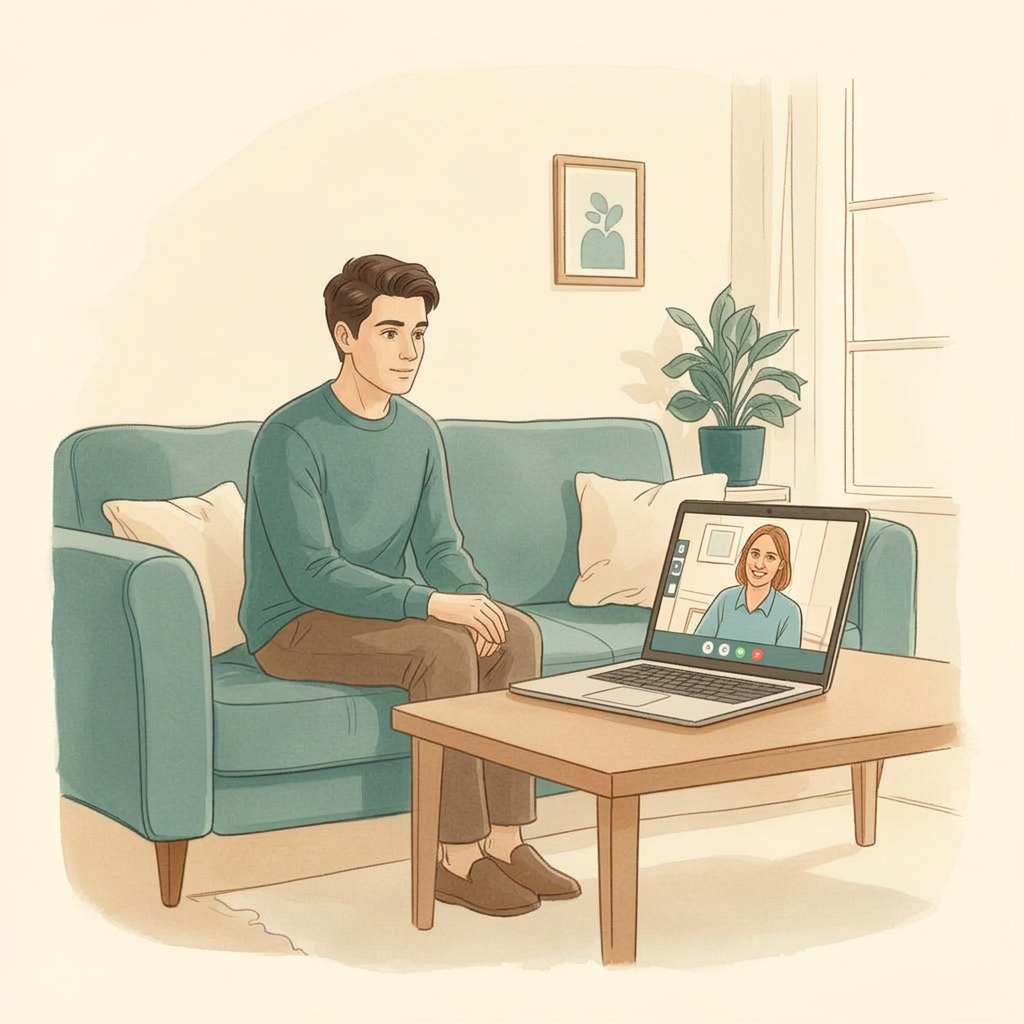
Peer Recovery Coaching
A coach who meets them where they are
- Certified coaches with lived recovery experience
- Virtual sessions that fit their schedule
- No judgment — just support and encouragement
- Builds accountability outside the parent-child dynamic

Daily Accountability
Structure that supports recovery goals
- Daily breathalyzer monitoring from home
- Remote drug and alcohol testing
- Removes the guessing game for families
- Data-driven accountability that builds trust

Risk Reduction
Ongoing support that reduces risk
- Risk reduction through structured accountability
- Complements clinical care and treatment
- Family collaboration tools with their consent
- Designed for lasting recovery, not quick fixes
Keep Reading
Related Resources
How to Help an Adult Child With Addiction
Guidance for parents navigating a son or daughter's substance use.
Read guideSigns Your Child Has a Drinking Problem
Recognize the warning signs in your adult child.
Read guideFamily Support for Addiction
How families can play a supportive role in recovery.
Read guideRecovery After Rehab
What happens after treatment ends and how to maintain progress.
Read guideVirtual Recovery Coaching
How virtual support provides flexible, effective coaching.
Read guide✦ Recovery Tools
Accountability & Recovery Tools
You Are Accountable provides recovery support designed to help individuals stay connected to sobriety through structured accountability and ongoing encouragement.
Daily Breathalyzer Accountability
Daily breathalyzer testing helps individuals maintain accountability in sobriety while reinforcing recovery commitments.
Consistent monitoring can provide structure that supports recovery progress and helps rebuild trust with family members.
Remote Drug and Alcohol Testing
Remote testing tools provide an additional layer of accountability for individuals working to maintain sobriety.
These tools help reinforce recovery goals while allowing individuals to remain engaged in daily life.
Peer Recovery Coaching
Members connect with trained peer recovery coaches who provide encouragement and guidance based on lived recovery experience.
Peer coaching helps individuals remain connected to recovery goals and maintain accountability over time.
Peer Recovery Support
Peer support connects individuals with others who understand the challenges of recovery and can provide encouragement and perspective.
This connection can reinforce recovery routines and reduce feelings of isolation.
Risk Reduction
Recovery support can help reduce risks associated with alcohol or substance use while encouraging healthier decisions and accountability.
Recovery journeys are different for every individual.
Support Across Stages of Change
People approach recovery in different ways. Recovery support can help individuals who are:
✦ The Journey
Where Recovery Support Fits in the Recovery Journey
Detox
Medical stabilization
Treatment
Clinical care and therapy
Outpatient Care
Ongoing clinical support
Recovery Support
You Are Accountable
Treatment helps individuals stabilize and begin recovery.
Recovery support helps individuals maintain accountability and connection to sobriety after treatment or during long-term recovery.
Recovery support complements clinical care but does not replace medical or psychiatric treatment.
Frequently Asked Questions
Your recovery journey starts here.
Get matched with a certified peer coach who understands your journey. Real support. Real accountability. Real recovery.
Get in touch.
We're always here.
Send us a message or call us directly to find out if Accountable is right for you or your loved one. Our team is here to help.
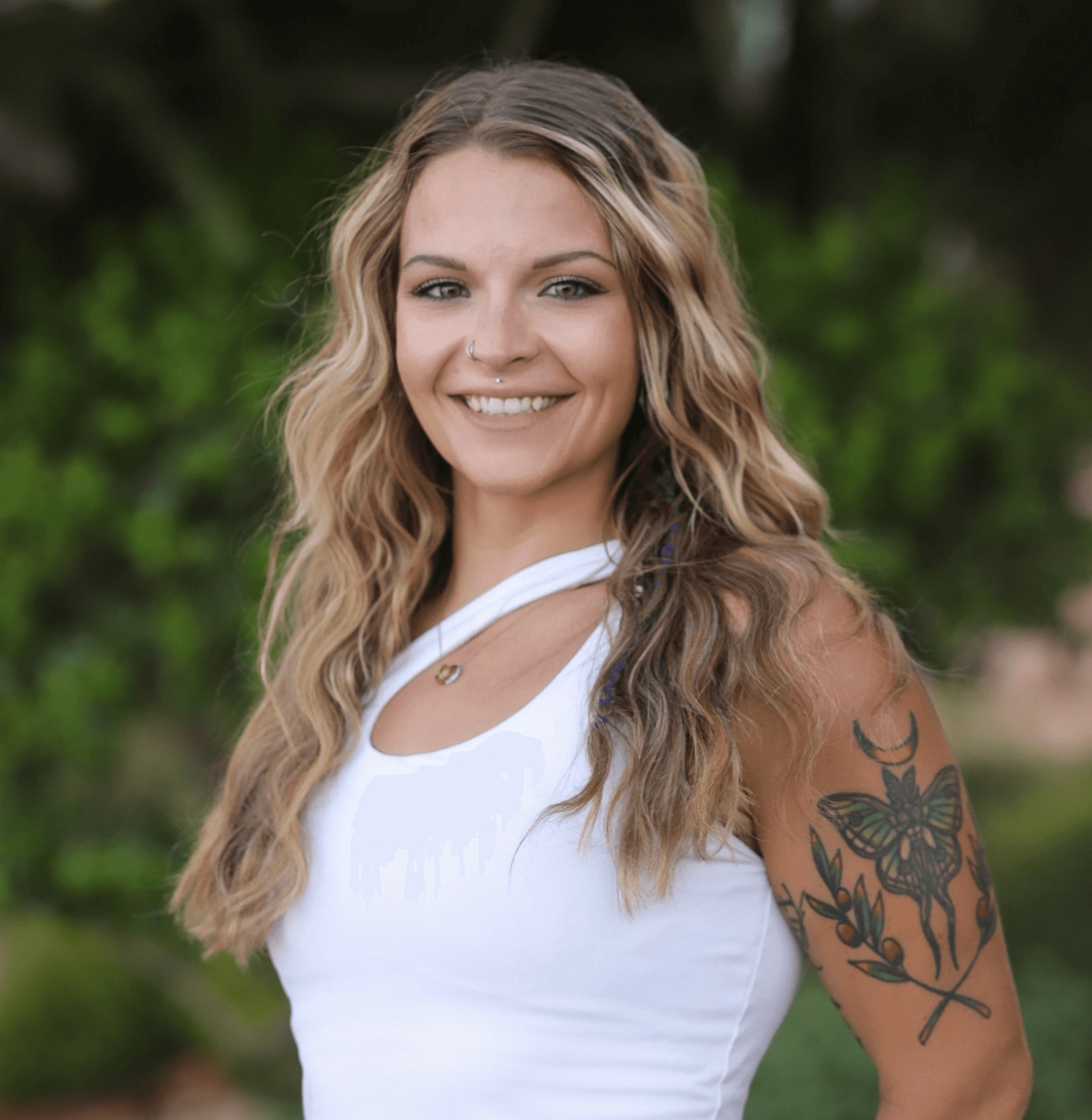
Meet a Recovery Coach
Stephanie Myers
Recovery Specialist · CPRS
"I battled inner turmoil and addiction until a moment of divine intervention led me to a 12-step program at my lowest point."