The Gap
Why Support After Treatment Matters
Treatment provides intensive support in a structured environment. When it ends, individuals return to their daily lives — often to the same environments, relationships, and stressors that contributed to their substance use.
Without ongoing support, the transition from treatment to independent living can be overwhelming. Recovery support fills this gap with:
- Consistent daily structure through monitoring and check-ins
- A trusted recovery coach who provides encouragement and accountability
- Tools that help identify challenges before they escalate
- Connection to a support system that understands recovery
How It Works
How You Are Accountable Supports the Transition
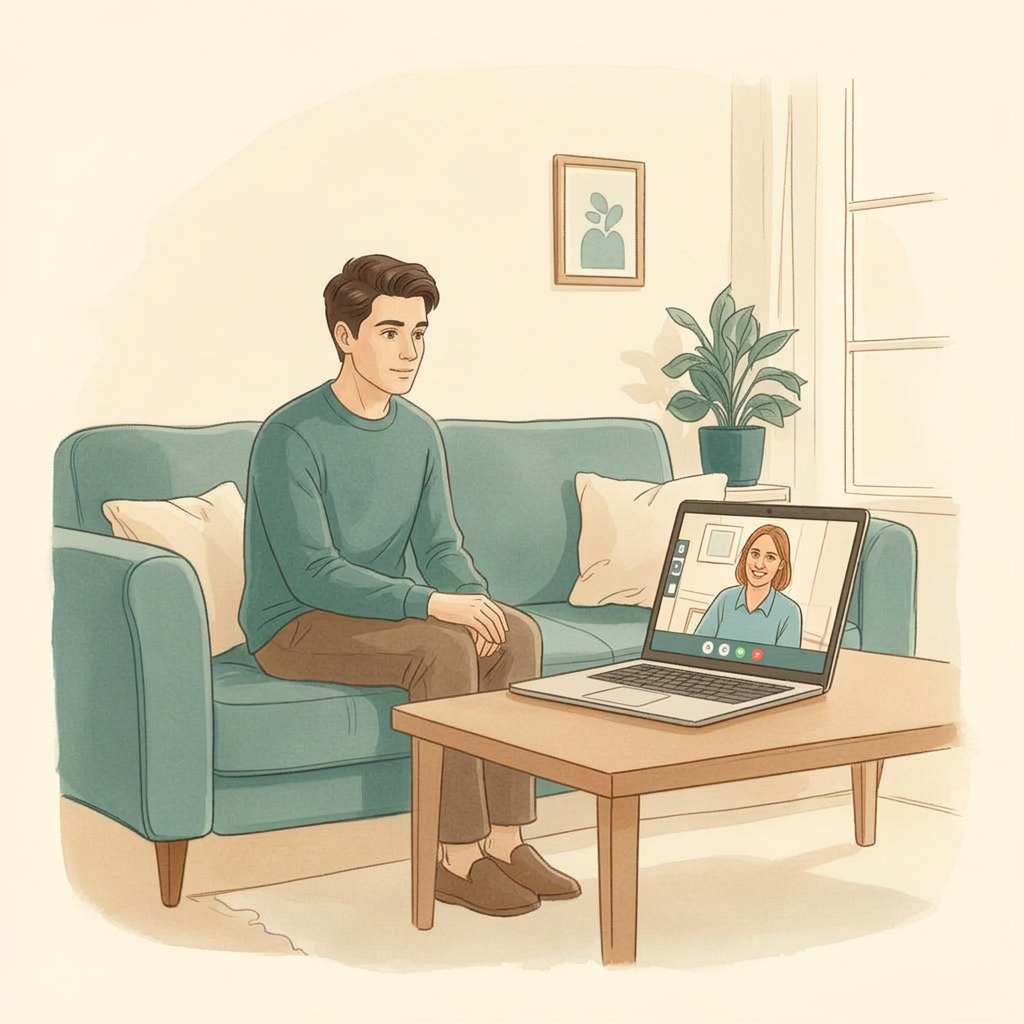
Peer Recovery Coaching — A certified coach who has lived the recovery journey provides ongoing encouragement and guidance through regular virtual sessions.
Peer Recovery Support — Connection with individuals who understand recovery challenges and offer perspective and encouragement.

Accountability Tools for After Treatment
Daily Breathalyzer Accountability — Maintains the structure of treatment through daily monitoring from home. Creates transparent accountability that reinforces goals.
Remote Drug and Alcohol Testing — Flexible testing provides additional accountability during the critical post-treatment period.

Long-Term Support
Risk Reduction — Recovery support helps reduce risks associated with the transition from treatment by providing ongoing accountability and encouragement.
Support Across Stages — Whether you're newly out of treatment or maintaining years of sobriety, the program adapts to meet you where you are in your journey.
Recovery support complements clinical care but does not replace medical or psychiatric treatment.